(And Not Just Because It’s “The Right Thing to Do”)
We’ve all heard the line: “Accessibility is important because it’s the right thing to do.” And sure—that’s true. But let’s be honest: accessibility is also the loving thing to do.
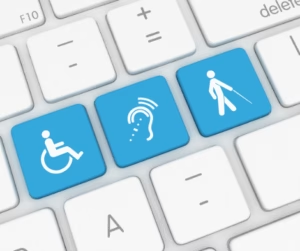
Accessibility isn’t just about ramps, captions, or alt text (though all of those are non-negotiable). It’s about creating spaces—digital, physical, and social—where everyone can join in without needing to ask for special permission.
When something isn’t accessible, you’re essentially telling part of your audience: “This isn’t for you.” That’s not just exclusionary—it’s bad for connection, bad for business, and bad for community.
Here’s the thing:
Accessibility doesn’t just help people with disabilities—it helps everyone. Captions make it easier to watch videos in noisy coffee shops. Clear, simple language helps people learning a new language and people who are just tired. Good color contrast helps someone with low vision and someone squinting at their phone in bright sunlight.
In other words:
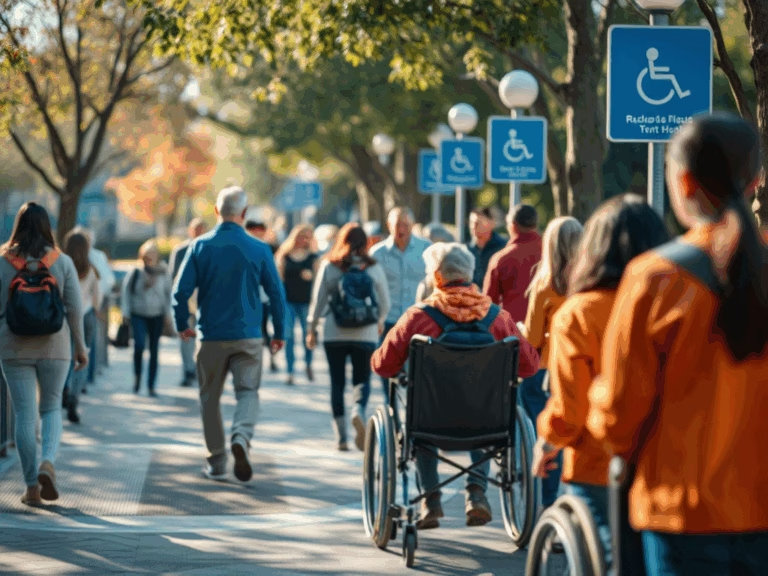
Accessibility is like curb cuts on sidewalks. Originally designed for wheelchair users, curb cuts help parents with strollers, delivery drivers, travelers with rolling luggage… basically, everyone.
And accessibility doesn’t stop at workplaces or public spaces
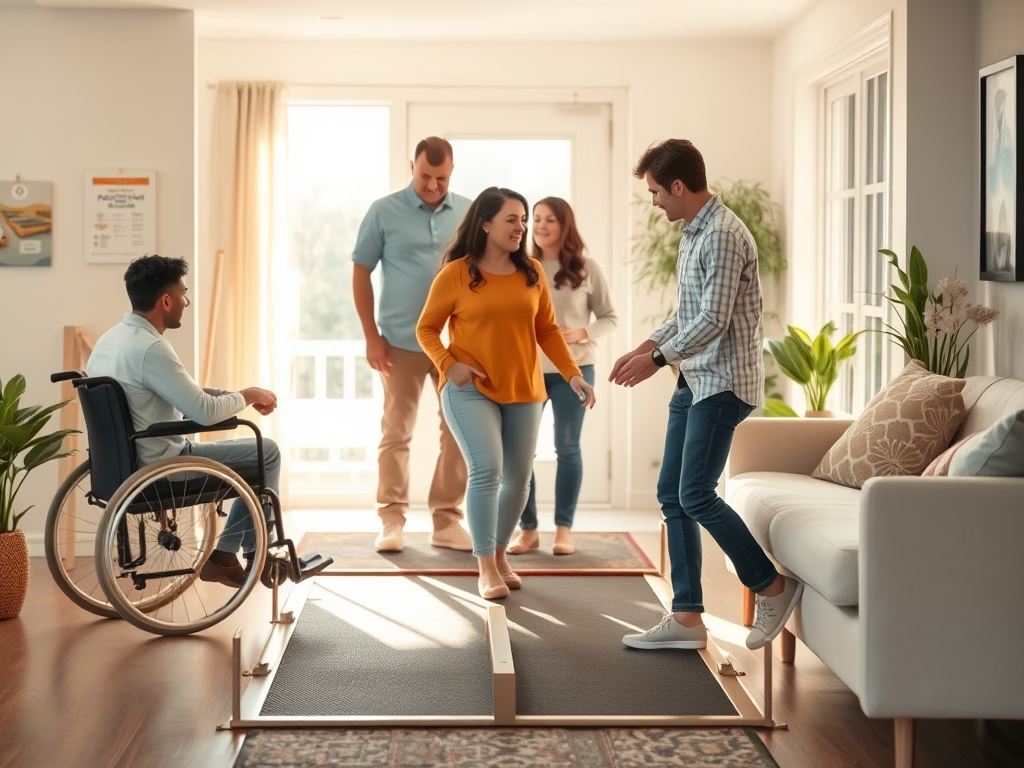
It starts in our homes. Can someone navigate your front steps with mobility challenges? Is your lighting good enough for guests with low vision? Can a friend with hearing loss follow the conversation at your dinner table? Is a neurodiverse guest overstimulated by music that’s too loud? We often design our personal spaces for ourselves. We don’t consider that the people we love, or will love in the future, have different needs. When we make our homes more accessible, we make them more welcoming—both now and in the years to come.
When we focus on accessibility, we create a culture of welcome. We say, You belong here. Your presence matters. And when people feel included, they show up more fully—bringing their voices, their ideas, their joy.
So yes—accessibility matters because it’s the right thing to do. But it also matters because it makes everything better. For everyone.
To understand the importance of making our homes more accessible and visitable, you should read this article from the Center for Disability Rights.
Click below for a downloadable PDF of a public and home accessibility checklist. It includes simple things you can do to make your own space accessible.